April 29, 2026
Welcome to the ultimate guide on choosing the perfect summer blooms! Whether you're an experienced gardener or a novice eager to add color to your space, this article will walk you through everything you need to know about picking the right flowers at your local garden center. Flowers can brighten up any outdoor space and provide a source of beauty and tranquility in our hectic lives. Understanding your specific growing conditions and plant preferences is vital to achieving a garden that flourishes. Keep reading to learn all the essential tips and resources to make informed choices that suit your style, budget, and environmental conditions.
Understanding Your Climate and Environment
Researching Local Climate Conditions
When choosing flowers for your garden, it's essential to consider the climate you live in. Different types of flowers are suited to specific climate conditions, such as humidity levels and temperature ranges. For example, in regions with a cool, wet climate, certain flowers will thrive, while others will not survive. Start by researching your local climate conditions online or consulting with a local garden center to determine what types of flowers are suitable. Understanding these factors ensures that the flowers you plant will thrive and enhance your garden's appearance throughout the summer.
Assessing Soil Type and Quality
Soil type and quality play critical roles in plant health and growth. It's important to know whether your soil is sandy, clay, loamy, or a combination of these, as it affects drainage and nutrient retention. You can perform simple at-home soil tests to determine its pH level and nutrient content. With the right amendments, poor soil quality can often be improved to better meet the needs of specific flowering plants. Consulting with professionals or using soil tests can guide you in adjusting your soil properly to optimize flower growth.
Considering Light Exposure
Light exposure is another crucial factor that impacts the selection of plants from a garden center. Some flowers require full sun for most of the day, while others prefer partial shade. Understanding the light availability in your garden will help you select flowers that are suitable for those conditions. It's beneficial to observe your garden at different times of the day to accurately assess the amount and duration of sunlight it receives. This garden center knowledge will guide you in placing your plants strategically, ensuring they get just the right amount of light.
Understanding Watering Needs
All plants need water to survive, but the amount and frequency of watering will depend on the specific plant species. While some plants thrive with regular watering, others can withstand drought-like conditions. In addition, the local climate will also determine how fast or slow the soil dries out. Being aware of these watering needs can prevent over-watering or under-watering, which can be detrimental to your plants. Also, setting up a rainwater collection system can be an eco-friendly way to meet your plants' hydration requirements.
Selecting Flowers Based On Aesthetic Preferences
Choosing Between Annuals and Perennials
One of the first decisions you'll have to make is whether to plant annuals, perennials, or a mix of both. Annuals like petunias and zinnias bloom for one season and offer vibrant colors, perfect if you love changing things up each year. Perennials such as hostas and daylilies return for multiple years, saving time and money in the long run, but may offer a more subtle bloom. Consider your commitment to gardening and the aesthetic you're going for when making this choice. Mixing both types can provide you with the benefits of longevity and freshness every growing season.
Exploring Color Palettes
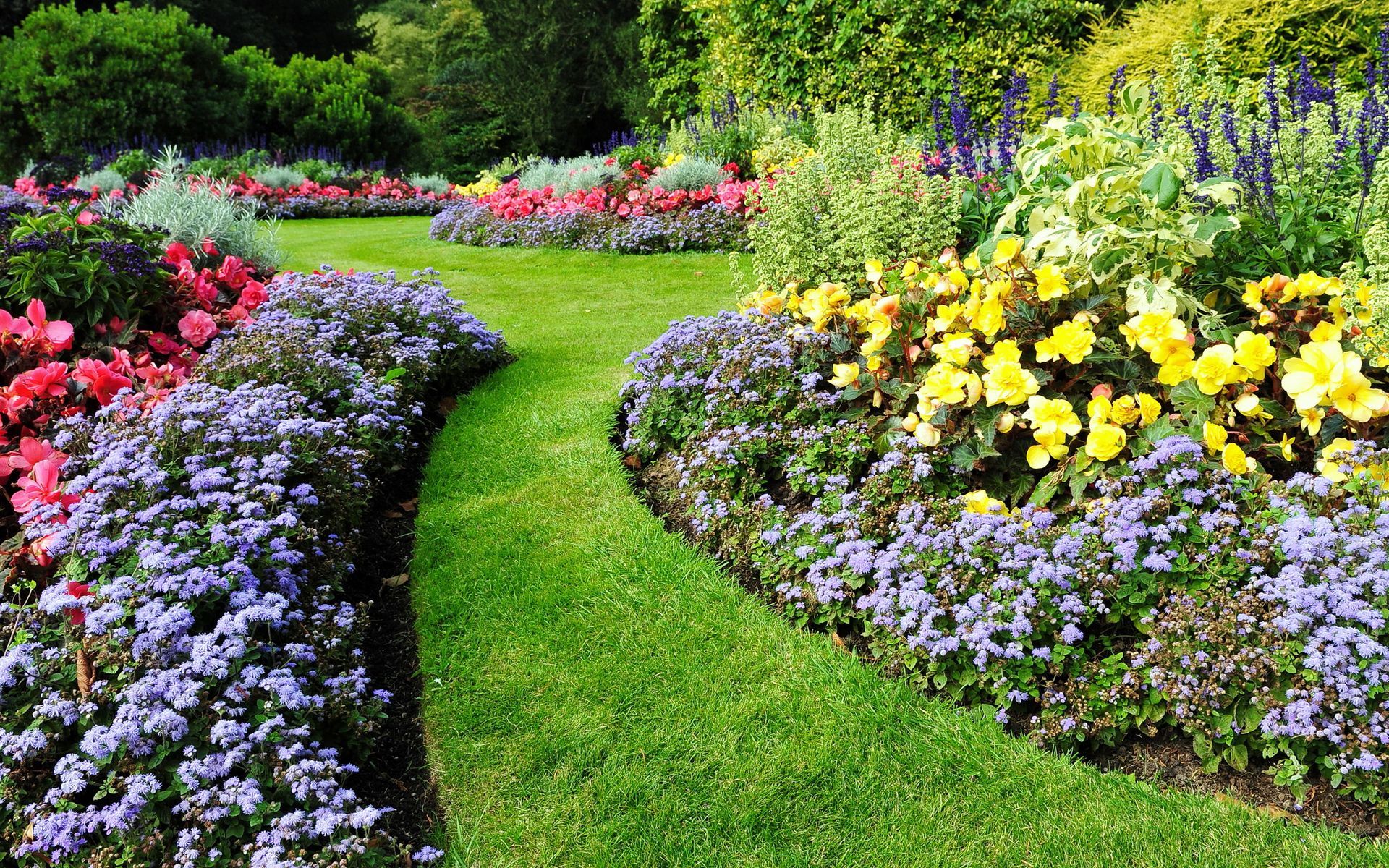
The color palette of your garden can set the mood and attract varying species of wildlife. Bright colors like reds and yellows can energize a space, while softer shades like pastels make for a more calming environment. You might focus on a single color scheme or mix multiple hues for a dynamic landscape. Also, consider using color theory principles to create a balanced and visually appealing design. Gardens can also incorporate colorful hydrangeas; according to Better Homes & Gardens, there are more than 75 types of hydrangeas, offering near-endless color possibilities.
Considering Bloom Size and Structure
The size and structure of a flower also contribute to the overall aesthetic of your garden. Large blooms like sunflowers can serve as focal points, while smaller flowers like pansies can fill in gaps and add texture. When selecting blooms, consider how they will interact with other plants in your design. Are you looking for tall, statement flowers, or do you prefer low-growing, ground-cover varieties? Mixing different sizes and structures can create an intricate and lush landscape that adds depth to your outdoor space.
Evaluating Fragrance Options
For many gardeners, scent is an important factor in choosing flowers. Fragrant flowers like lavender, jasmine, and roses can make your garden appealing not only to the eyes but also to the nose. Consider placing fragrant flowers near seating areas or windows where their scents can be most appreciated. Be mindful of planting heavily fragranced flowers if you or others who frequent the garden suffer from allergies. A well-chosen mix of fragrant and non-fragrant flowers can create a balanced, aromatic garden space.
Exploring Different Types of Flowers
Popular Choices: Roses and Their Varieties
Roses are a classic garden choice, prized for their beauty and symbolism. The varieties available—from hybrid teas to climbing roses—offer a broad selection to fit various garden styles and conditions. While roses can be high-maintenance, requiring regular pruning and pest control, their payoff is substantial due to their long blooming period and stunning appearance. Roses perform best in well-drained, fertile soil with full sun exposure. Those new to planting roses should opt for disease-resistant varieties to ease the learning curve of rose gardening.
Unique Options: Exotic Blooms for a Touch of the Extraordinary
If you want to add a touch of the extraordinary to your garden, consider exploring exotic blooms from a garden center. Plants like bird of paradise, orchids, and hibiscus can introduce unique shapes and vibrant colors. These plants may require specific conditions such as ample sunlight and high humidity, but their unique appeal makes them an adventurous choice. Exotic plants often serve as a focal point due to their uncommon appearance and can transform a typical garden into a talking point. Consulting an expert on how to care for these unique species is recommended to ensure they thrive.
Timeless Flowers: Geraniums, Marigolds, and Daisies
Timeless flowers such as geraniums, marigolds, and daisies are enduringly popular thanks to their easy-care nature and vibrant colors. Perfect for gardeners of all skill levels, these plants are highly adaptable to various environments. Geraniums are known for their wide color range and can even be overwintered indoors. Marigolds, on the other hand, are great pest repellents, making them beneficial companion plants. Daisies are hardy and versatile, entering late spring with effortless charm. Their timeless appeal lies in their ability to thrive with minimal fuss, brightening up the garden landscape consistently.
Low-Maintenance Options
For those who prefer low-maintenance gardens, several flower options require little care. Succulents and cacti can add interesting textures and are perfect for those who forget to water regularly. Low-maintenance flowers like coneflowers and ornamental grasses offer enduring visual interest with minimal need for pruning or fertilization. These plants are ideal for busy individuals who still want a visually pleasing outdoor space without the time-consuming upkeep. By choosing plants from a garden center that suit your time constraints, you can achieve a beautiful garden that complements your lifestyle.
Exploring different types of flowers—from classic roses to unique exotic varieties and low-maintenance options—opens the door to endless possibilities. Mixing dependable favorites with more distinctive selections can add depth, texture, and visual interest to your garden. At the same time, choosing plants that align with your schedule and level of maintenance ensures that your garden remains manageable and rewarding over time.
Ultimately, a successful summer garden is one that balances beauty with practicality. With the right knowledge and a bit of creativity, you can transform your outdoor space into a vibrant, welcoming retreat. By making informed choices at your local garden center, you'll be well-equipped to enjoy a season full of color, growth, and lasting satisfaction. Contact Bard Nurseries Inc today to learn more.